Desk lamps: a small source of light with a big story
3/11/2025 #From the World of Lighting
Desk lamps are a common part of our homes, offices, and student rooms. Yet few people realize that behind their simple design lies a fascinating history that reaches far into the past. From candles and oil lamps to modern LED models – desk lamps have evolved alongside our way of life, technological progress, and aesthetic sense.
From Candles to Electricity: The First Steps of Desk Lamps
The very beginnings of desk lighting go far back in history – to simple candles. For centuries, they were the only available source of light in homes, monasteries, and scholars’ studies. Although simple, they could not provide enough light for longer activities and burned out quickly. Moreover, they posed a fire risk, so their use required constant attention.
With progress came oil lamps and later kerosene lamps, which offered more stable and brighter light. These lamps became a common part of households in the 18th and 19th centuries, although they still had drawbacks – they produced smoke, required frequent refilling and maintenance, and were not entirely safe.
A major turning point came at the end of the 19th century with the arrival of electricity. The first electric desk lamps appeared around 1890, shortly after the invention of the light bulb by Thomas Edison. At that time, they were more of a luxury item available only to the upper classes. In the interwar period, their construction and design began to change – from bulky and decorative to more practical, industrial shapes. Electricity brought not only greater convenience but also fundamentally changed the way people perceived and used light in everyday life.
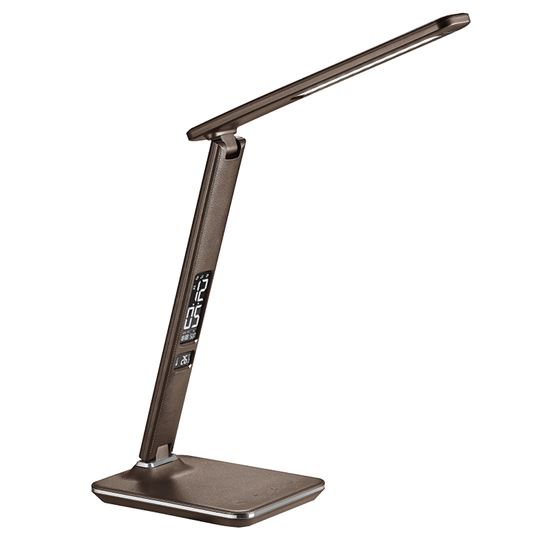
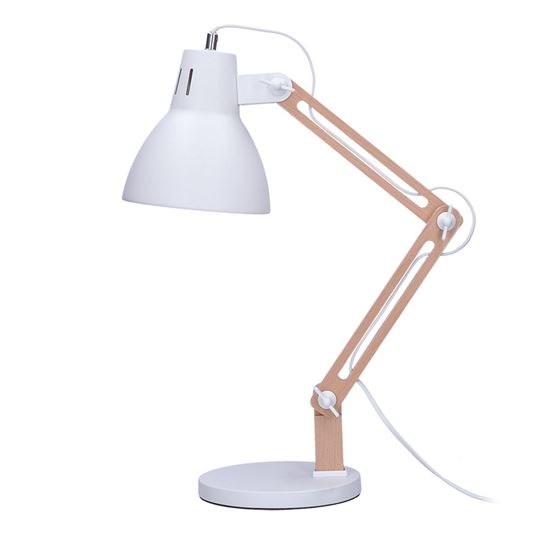
TIP: Solight desk lamp Falun - WO57-W
Modernization and Aesthetics: The 20th Century in the Spirit of Design
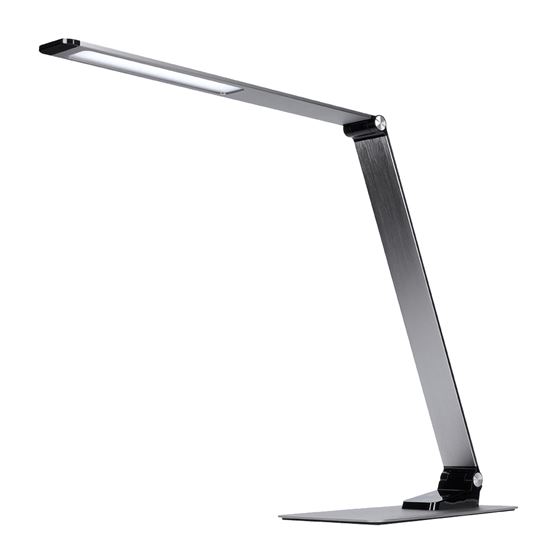
With the arrival of the 20th century, desk lamps became a symbol of modernity. In the 1950s and 1960s, iconic models inspired by functionalism and minimalism emerged. Designers such as Arne Jacobsen and Achille Castiglioni began creating lamps that were not only functional but also visually appealing.
Plastics, bent metals, and new manufacturing techniques enabled greater diversity in shapes and colors. Desk lamps began to be mass-produced – becoming standard equipment in homes and on work desks.
TIP: Popular dimmable desk lamp WO37-B
LED Revolution and Smart Technologies
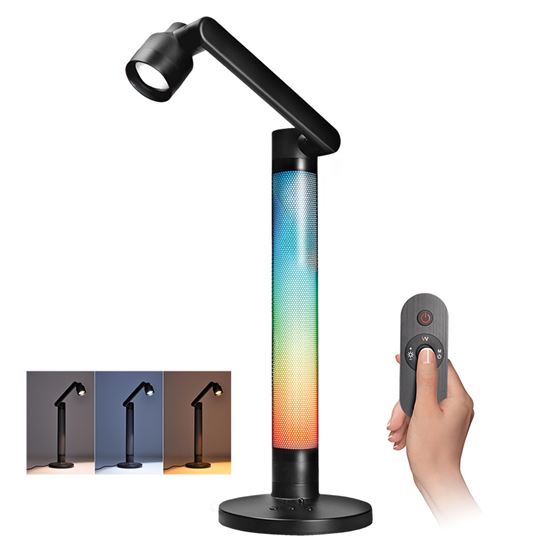
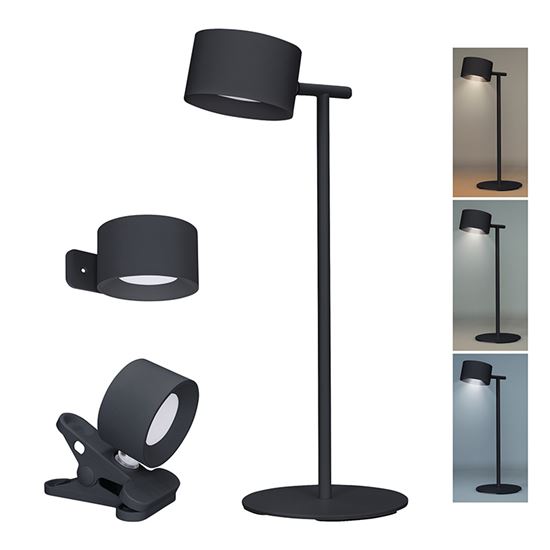
At the beginning of the 21st century came another revolution – LED technology. LEDs are energy-efficient, have a long lifespan, and allow the creation of compact, flexible, and cleanly designed lamps. Thanks to them, new types of desk lamps emerged with touch controls, adjustable light temperature, and dimming options.
Smart desk lamps connected to mobile apps or smart home systems can now respond to the user’s daily rhythm, automatically adapt to ambient light, and some models can even measure air quality or monitor posture while working.
The Future of Desk Lamps
What lies ahead? The future of desk lamps is heading toward even greater personalization and integration into smart homes. Lamps are being developed that change color depending on mood or time, can work with virtual assistants, and some even feature built-in wireless charging for mobile phones.
Thanks to the development of eco-friendly materials and 3D printing, greater emphasis on sustainability is also expected. We will be able to design and print our own lamps tailored to our needs, using recycled or biodegradable materials. The light of the future will not only be functional – it will be intelligent, aesthetic, and environmentally friendly.
Health aspects are also coming to the forefront. Future lamps may automatically adjust light intensity and temperature based on the time of day or user activity – for example, to support concentration during work and relaxation in the evening. Some models are already experimenting with technology that eliminates blue light, contributing to better sleep quality.
Another direction of development is modular design. Users will be able to assemble lamps themselves from various components – for example, adding new lighting modules, motion sensors, or even built-in speakers. This will open up space for creativity and long-term customization without the need to purchase new devices.
The desk lamps of the future will combine technology, sustainability, health, and aesthetics – becoming a full-fledged part of smart, modern living.
TIP: Desk lamp with wireless phone charging
Conclusion
Desk lamps have come a remarkably long way over more than a century – from simple oil lamps through robust industrial models to elegant and smart LED solutions of today. They are no longer just a source of light but have become a significant element of interior design and often a technical assistant that adapts to our needs. It is fascinating to observe how such an inconspicuous object evolves hand in hand with the times and responds to our changing lifestyles. The future of desk lamps promises even greater integration of technology, sustainability, and individuality – and that is a light worth paying attention to.