Electrical outlets around the world and SKROSS
2/25/2026 #Electrician’s Tips
Different electrical outlets and plugs around the world are no coincidence. History, technical requirements, safety and political decisions of individual countries have led to the fact that today there are more than 15 main types of sockets. This text explains their origins and also offers solutions on how to travel and connect devices safely thanks to SKROSS universal adapters.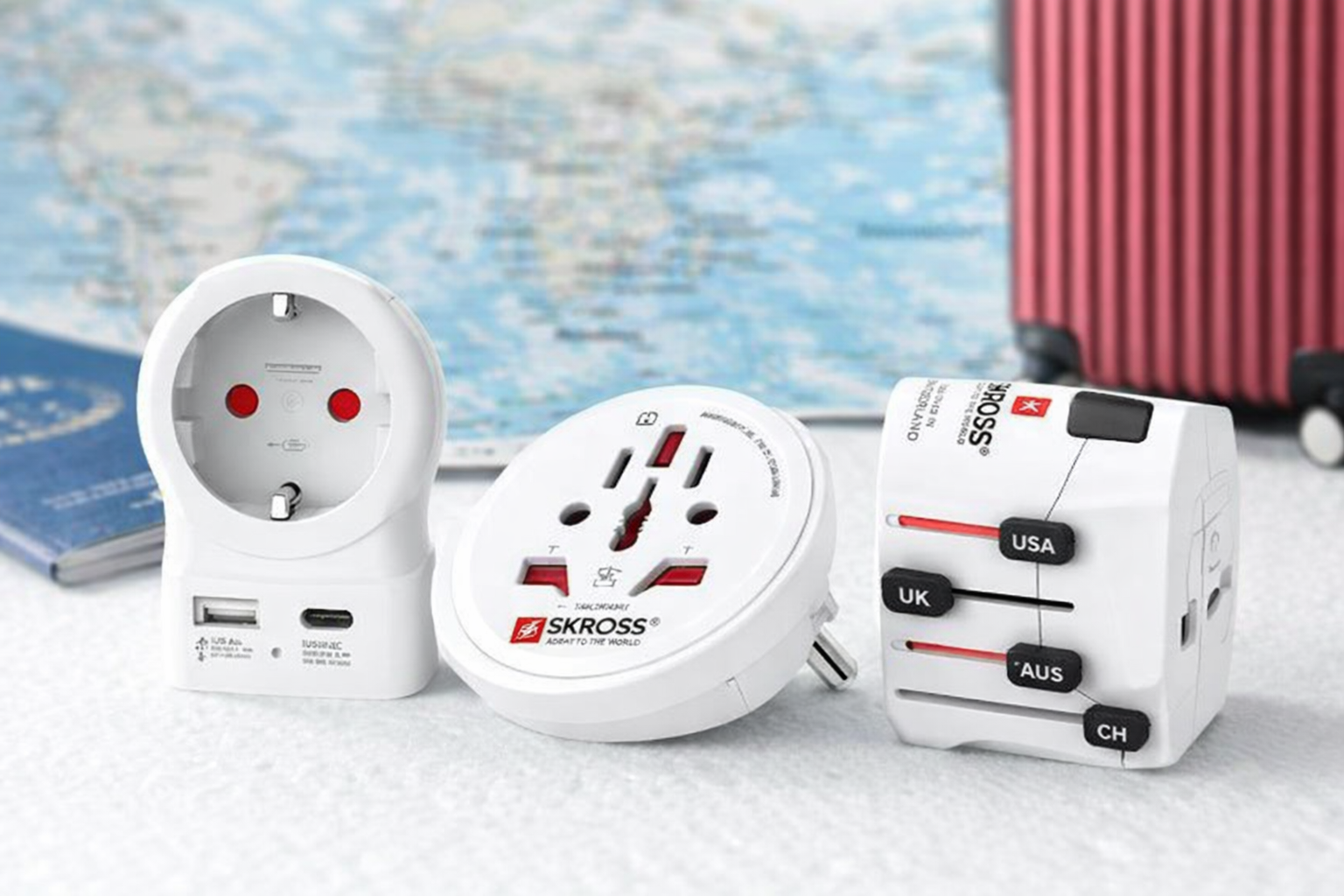
History of electrification and the emergence of different socket types
Household electrification began to spread massively at the turn of the 19th and 20th centuries. The first electrical grids were built locally, often only for individual cities or industrial enterprises. Standards in voltage, frequency, and connector types practically did not exist.
- The USA adopted a system of 120 V / 60 Hz, which matched the technical capabilities of generators and transmission lines at the time.
- Europe gradually adopted 220–240 V / 50 Hz, allowing more efficient electricity transmission over longer distances.
Different voltage and frequency levels required different plug and socket designs. Electrical appliances could not be freely transferred between continents – each device had to comply with local standards.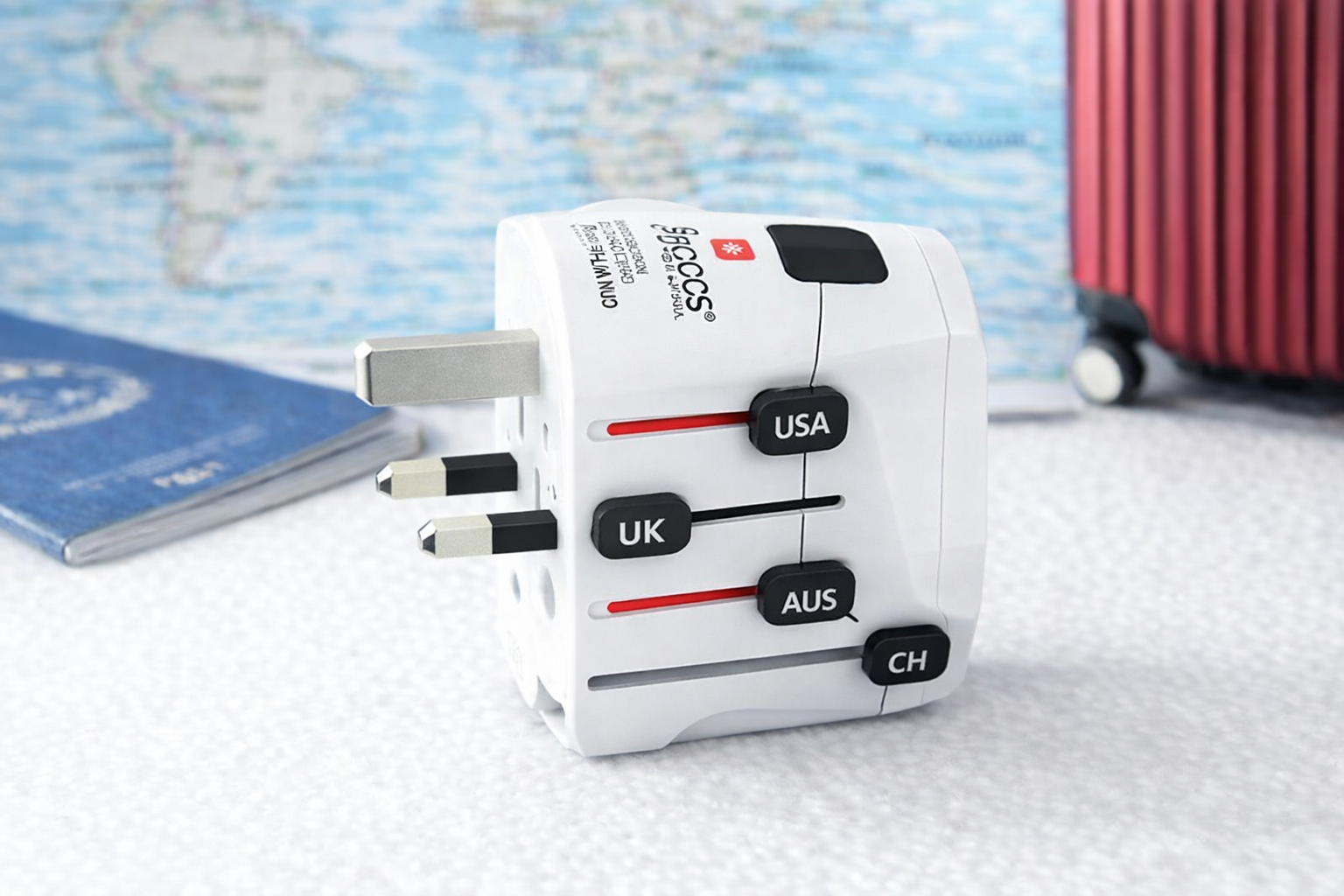
Another factor was competitive manufacturer policies. Each company producing electrical appliances promoted its own standard to secure market share and protect its technologies from competitors.
The history of electrification directly shaped the geographical diversity of sockets: each region developed a system adapted to its technical standards, safety regulations, and political-economic preferences.
TIP for travelers: SKROSS universal adapter allows you to use devices in different countries without needing to buy a separate adapter for each socket type.
Safety and technical differences
Different sockets were designed with safety and technical parameters in mind: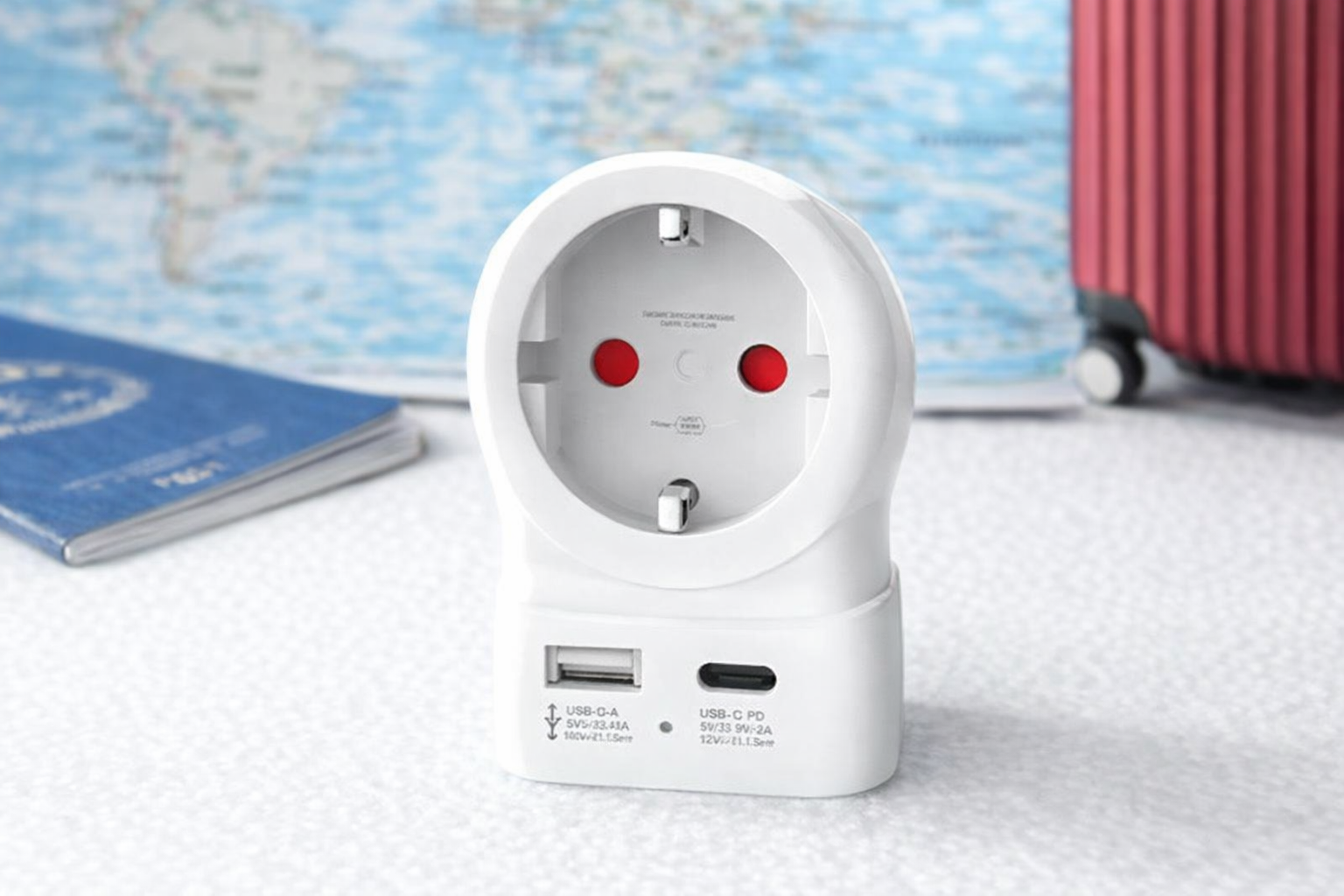
- Some types are grounded, others have only two contacts
- The spacing and thickness of pins vary depending on the maximum current the socket can handle.
- The socket design prevents incompatible connections between appliances and electrical networks.
SKROSS universal adapters are designed to overcome these differences:
- They support both 2- and 3-pole devices
- They work in dozens to hundreds of countries
- They include a safety fuse and grounding option
💡 Recommendation: SKROSS World & USB Travel Adapter – ideal for charging phones, tablets, or laptops worldwide.
Politics, economics, and global standards
Different socket types were not only a technical decision but also a political and economic one. Countries often promoted their own standards to support domestic appliance production. Colonial powers then spread their socket types to their colonies, which explains the persistent diversity worldwide.
💡 Recommendation: SKROSS MUV USB – a compact and lightweight universal adapter suitable for most travel destinations.
Socket types worldwide – and one adapter that covers them
Today, there are more than 15 main socket types (A–N), corresponding to specific regions:
- Type A/B – USA, Canada, Japan
- Type C/E/F – Europe, Asia, South America
- Type G – United Kingdom, Ireland, Malaysia
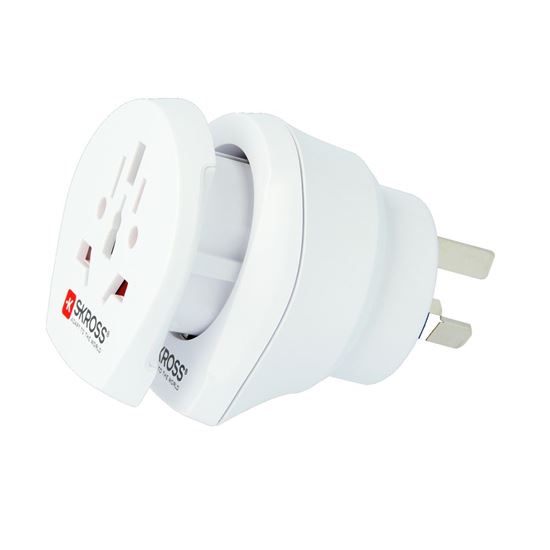
- Type I – Australia, New Zealand, China
 |
.jpg) |
 |
 |
| Type G (for the United Kingdom) |
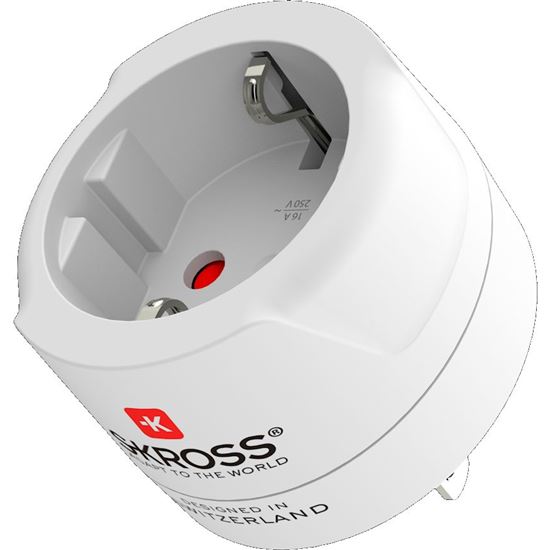
Type E/F for foreigners in the Czech Republic |
Type B for the USA |
Type I (Australia, China) |
SKROSS universal adapters cover all these types and enable safe connection of electrical devices in more than 220 countries.
💡 Recommendation:
Why so many types still exist – and why choose a SKROSS adapter?
Global unification of sockets is practically impossible, as it would require replacing infrastructure in millions of homes and buildings. A universal adapter is therefore the simplest solution:
- Connection of devices with different plug types
- Support for grounded and ungrounded devices
- Ability to charge multiple devices thanks to USB ports
All these features are offered by SKROSS adapters, a brand specializing in high-quality and safe travel adapters designed for worldwide use.
Conclusion
Different electrical outlets around the world are the result of historical development, technical specifications, and political decisions. A universal SKROSS adapter allows safe use of electronics almost anywhere and eliminates the need to carry multiple adapters for different countries.