Infrared heaters – a subtle technology on the rise
10/13/2025 #Home Appliance Blog
Historical Roots
Infrared heaters, devices that use infrared radiation to heat objects and people, have their roots as early as the 19th century. The first systematic study of the infrared spectrum was conducted by William Herschel in 1800, when he discovered “invisible rays” beyond the red part of the visible spectrum. However, practical use began to develop more than a century later, with the emergence of electric sources capable of producing stable infrared radiation.
In industry, infrared heaters began to be used from the mid-20th century, especially in drying processes, paint shops, and the food industry, where they enabled fast and uniform heating of materials. Gradually, they also made their way into households, mainly as heaters and bathroom warmers.
Types of Infrared Heaters
Over time, infrared heaters have undergone significant evolution:
- Classic resistive heaters – use metal coils that heat up and emit infrared radiation.
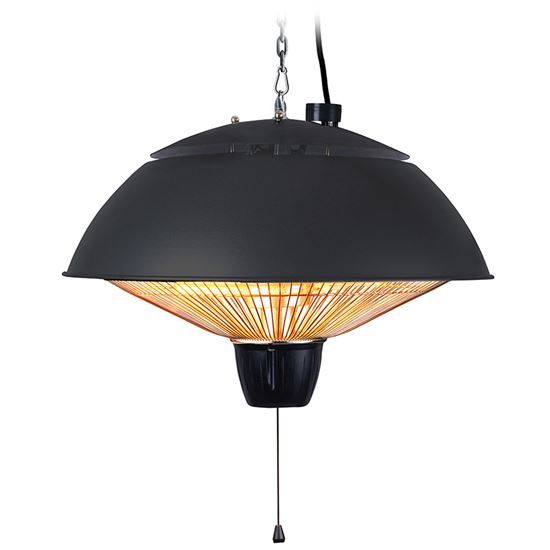
TIP: Solight infrared heater - 2000W
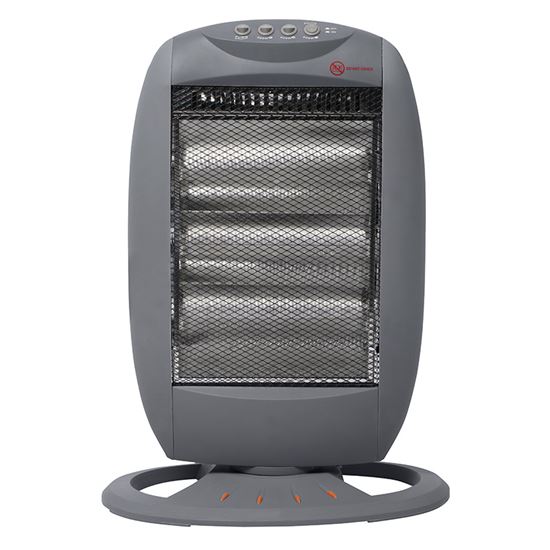
- Halogen infrared heaters – operate with a halogen lamp that generates intense short-wave radiation. This allows for rapid heating and high efficiency.
TIP: Solight infrared heater with halogen tubes
- Ceramic and carbon heaters – medium-wave sources that provide more pleasant, “softer” heat, closer to the feeling of sunlight.
- Modern low-temperature panels – distribute heat evenly, do not create air circulation, and are often used for long-term heating of living spaces.
Technological progress has brought not only more efficient infrared sources but also sophisticated controls, timers, and remote controls that increase user comfort.
Current Use and Applications
Today, infrared heaters are used in a wide range of environments – from households to industry and commercial spaces. Thanks to their efficiency, low energy consumption, and immediate effect, they have become a versatile solution for heating and localized warming.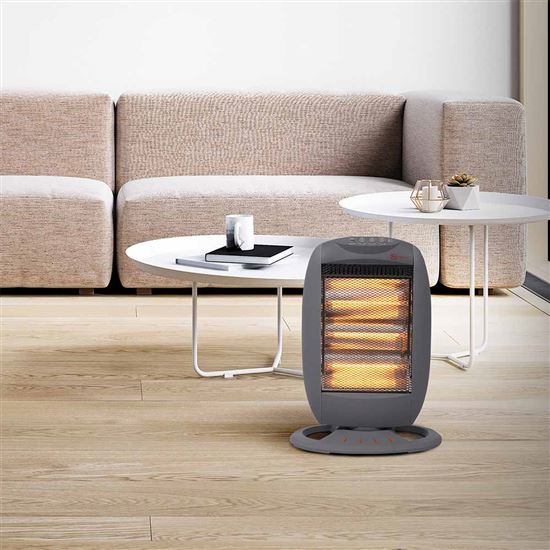
- Homes and apartments – infrared heaters are an ideal supplement to traditional heating. They can quickly heat a bathroom before a morning shower, warm up a winter garden or balcony during colder days, or locally increase comfort in a living room or children’s area. Users appreciate that the heat is immediate, directed, and does not circulate dust – making it ideal for allergy sufferers.
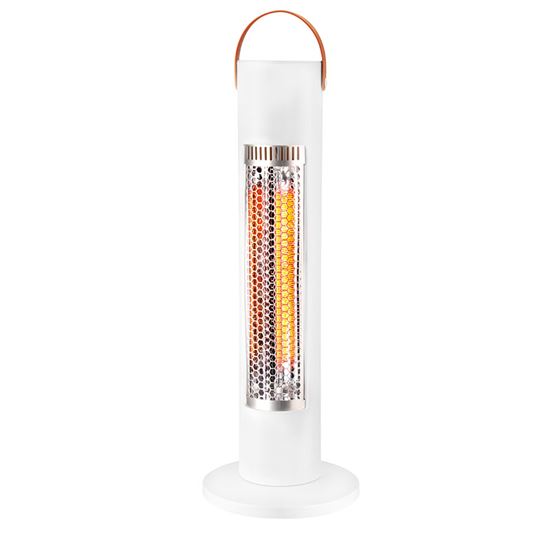
TIP: Solight infrared heater for home use
- Industry – in manufacturing and assembly halls, infrared heaters are used for drying coatings, paints, and plastics, or for uniform heating of surfaces and materials. In the food industry, they are used for maintaining product temperature or quick drying of packaging and labels. Thanks to the precise direction of radiant heat, it is possible to efficiently heat working zones without heating the entire air volume of the hall.
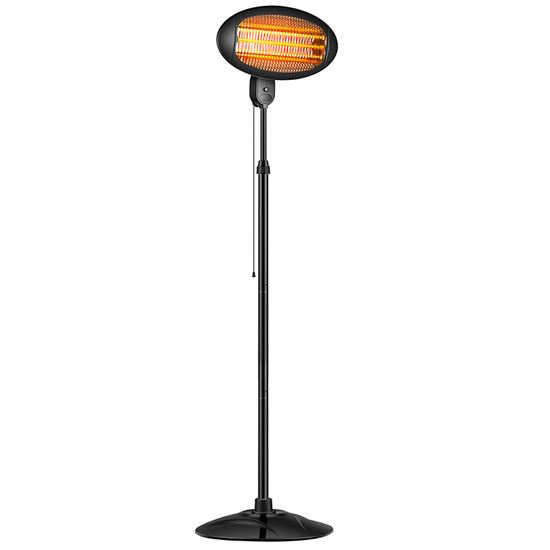
- Hospitality – restaurants, cafés, and hotels often use infrared heaters to heat outdoor seating areas, especially during spring and autumn. Modern models, such as the Solight IR04 outdoor infrared heater 2000W, can create a comfortable microclimate even at lower temperatures, allowing businesses to extend their operating season by several months. They are also used in kitchens to keep served food at the ideal temperature.
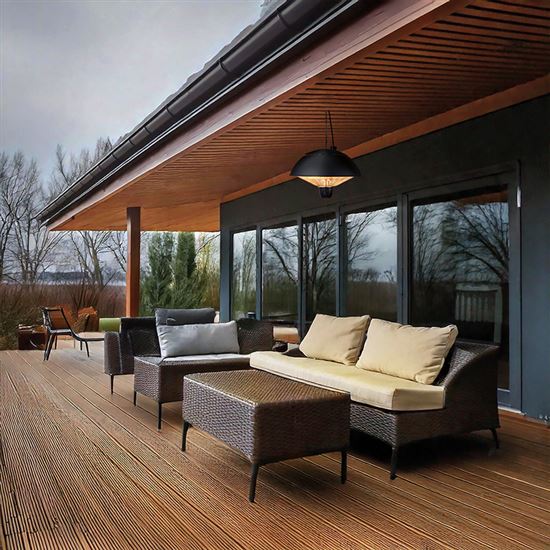
- Healthcare and wellness – in body care, infrared heaters are mainly used in infrared saunas and therapeutic cabins. Radiant heat penetrates deeply, supporting blood circulation, muscle regeneration, and detoxification. In clinics and rehabilitation centers, infrared radiation is also used in targeted physiotherapy and treatment of chronic pain.
- Public spaces – infrared heaters are a practical solution for stadiums, churches, waiting areas, outdoor markets, and cafés, where it is necessary to heat people rather than the entire space. Thanks to the radiant principle, they provide efficient and even heat distribution even in areas with high ceilings or open architecture, where traditional heating would be inefficient.
TIP: Solight infrared heaters
The advantages of modern infrared heaters include fast heat-up time, high energy efficiency, and clean operation without air circulation. This makes them suitable even for environments where a healthy microclimate is important – such as for allergy sufferers, asthmatics, or dusty environments.
The Future of Infrared Heaters
Future development focuses on several areas:
- Energy efficiency – integration with renewable sources such as photovoltaic panels and smart energy systems.
- Smart control – integration into smart home systems with control via mobile apps or voice assistants.
- Advanced materials – use of graphene, nanomaterials, and new composites for more efficient and durable heating elements.
- Design and architecture – infrared heaters will increasingly become part of interiors, for example as design panels or mirrors with heating functionality.
- Health and environmental aspects – emphasis on healthy radiant heat and reducing the environmental footprint of production and operation.
✅ Over more than 100 years, infrared heaters have evolved from simple resistive coils to sophisticated panels integrated with smart systems. Their future is heading toward even greater efficiency, comfort, and sustainability.